
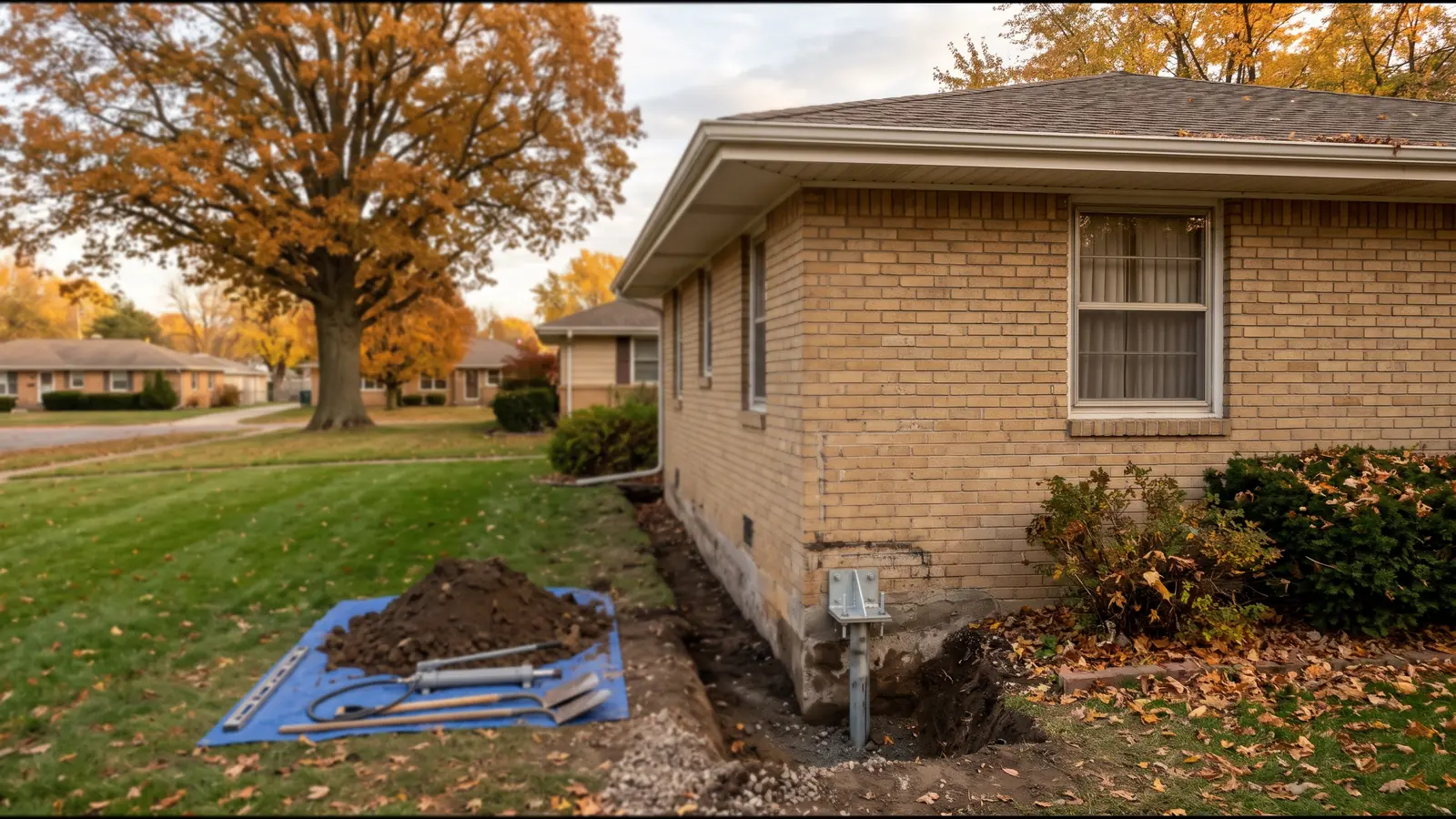
Foundation Crack Repair Types: Injection, Outside Sealing and Floors
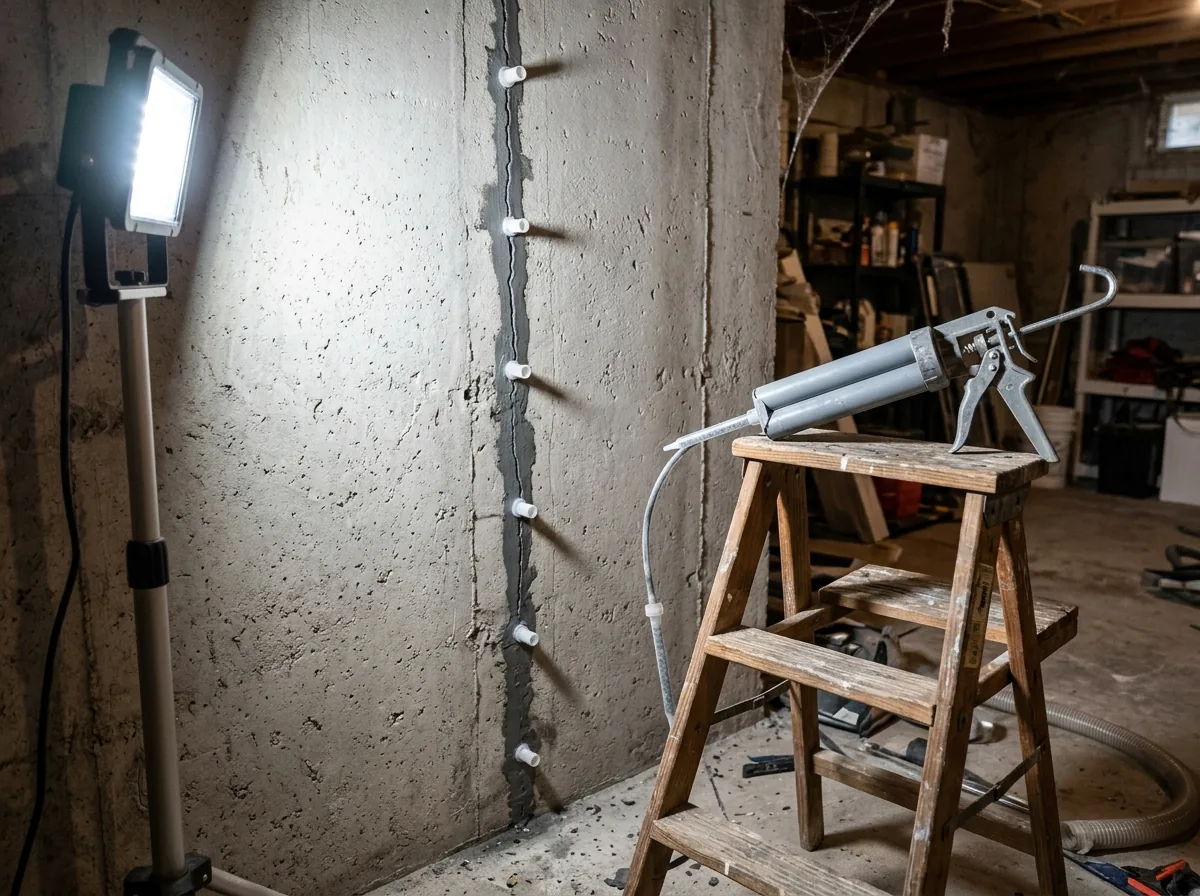
Epoxy Injection for Structural Cracks
Epoxy is the choice when the crack has stopped moving and the wall needs to act as one piece again. It cures stronger than the concrete around it. The steps are simple: ports are glued along the crack, a paste seals the surface between them, epoxy goes in through the ports, and the ports are sealed off.
- Cost: HomeGuide's slab guide puts epoxy or polyurethane injection at $400 to $1,500 per crack, a step up from basic sealing.
- Best for: vertical and diagonal cracks in poured walls that have stopped moving and aren't leaking.
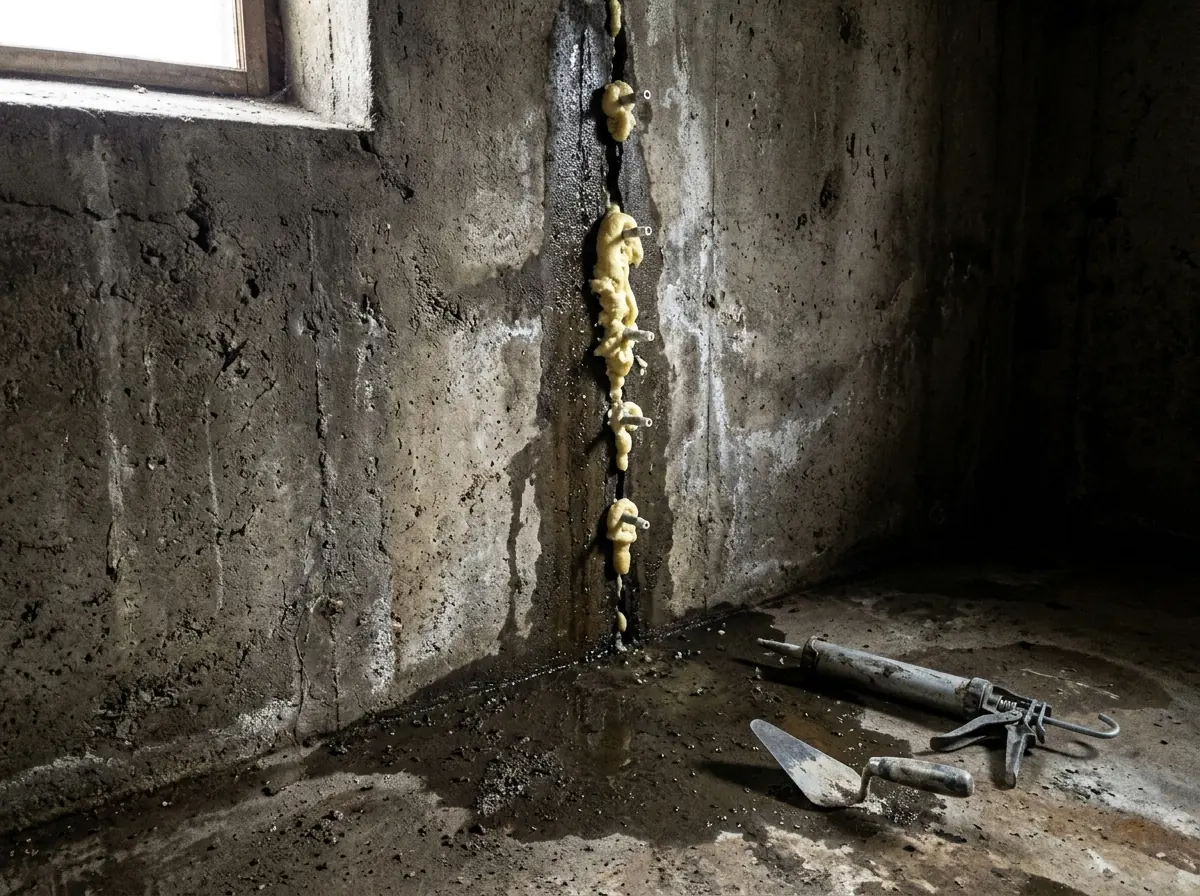
Polyurethane Injection for Leaking Cracks
Polyurethane stays flexible after it cures and expands to fill voids, which makes it the better pick for a crack that leaks or opens and closes with the seasons. In Topeka's swelling clay, plenty of cracks do (the homepage explains why). The tradeoff: it stops water, but it doesn't glue the wall back together the way epoxy does.
Poured walls are the easy case for injection, HomeGuide notes. Block walls more often need blocks replaced or the wall braced.
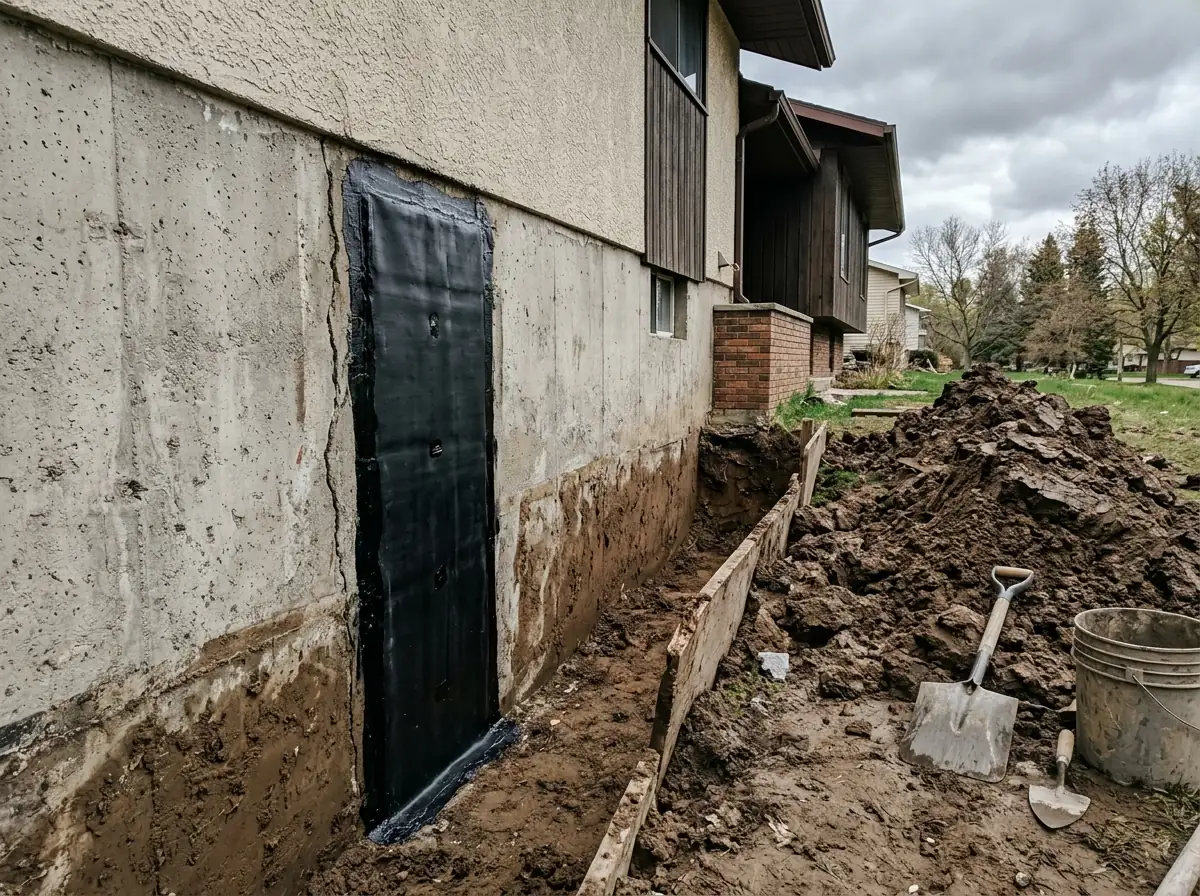
Exterior Crack Sealing
Sealing from outside means digging down the wall to the crack, which is why it's the exception. When the whole wall needs it, exterior waterproofing runs $10,000 to $15,000 in HomeGuide's figures. The residential code Topeka uses already expects the outside of a concrete basement wall to be dampproofed from grade down to about footing level. Digging also means a Kansas 811 locate request before the first shovel; the basement wall replacement page has the timing.
Basement Floor Cracks
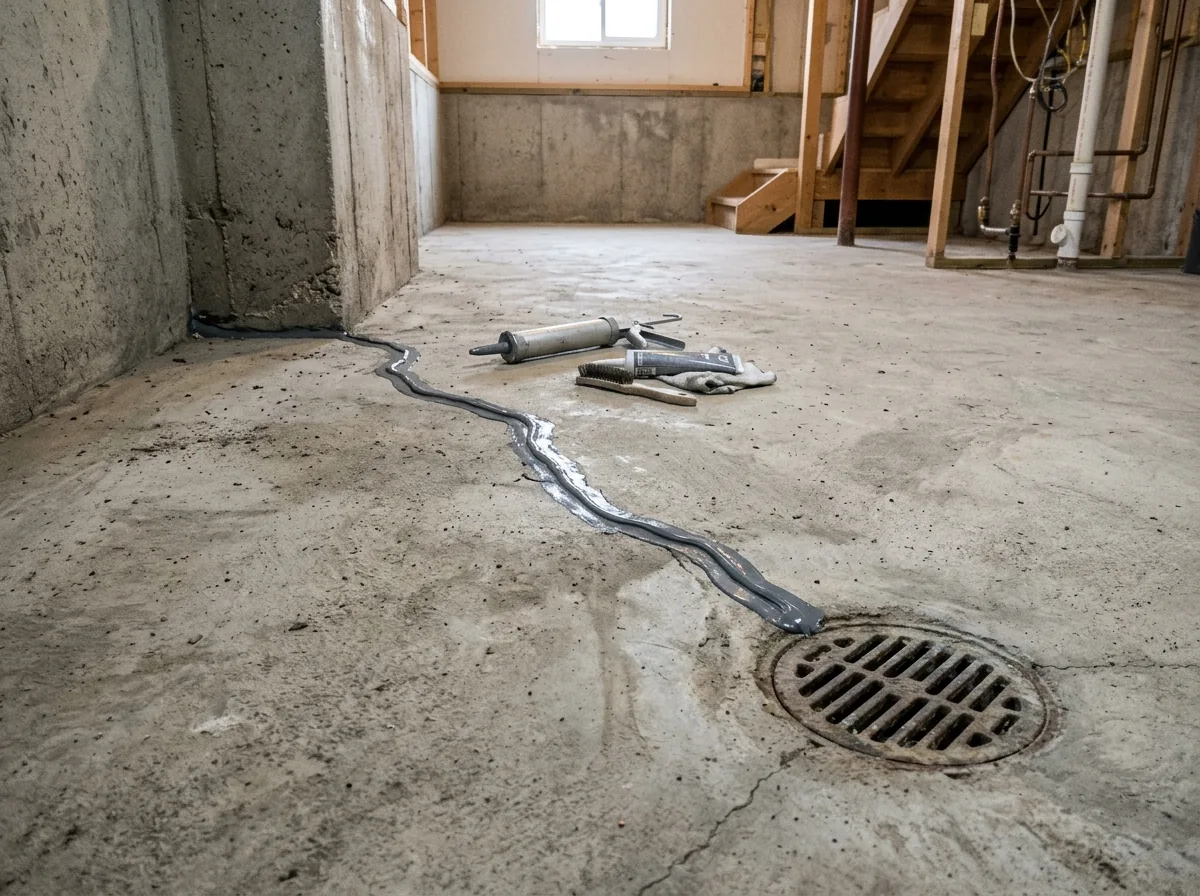
HomeGuide says most hairline cracks come from normal settling, and sealing a hairline crack in a concrete slab runs about $100 to $200. A floor crack with one side higher than the other is movement, not shrinkage; that's a slab foundation repair question. Floor cracks are also one of the openings radon work seals; the radon mitigation page covers that.
Why Topeka homeowners and property owners call Topeka Expert Foundation Repair
- The call and the inspection request cost you nothing
- Your details go to one Topeka contractor, never a lead list
- Ask for piers, anchors and price on paper before any digging
- Method explained first: piers, anchors, straps or mudjacking
Foundation Crack Types That Need More Than Injection
Sealing a crack fixes the crack. It does nothing about a wall being pushed in or a corner settling, and injecting a crack in a wall that's still moving buys very little time. These are the patterns guides flag for a structural look before anyone injects:
Horizontal cracks
in a block or poured wall, especially longer than 12 inches. That's soil pressure; see basement wall repair.Stair-step cracks
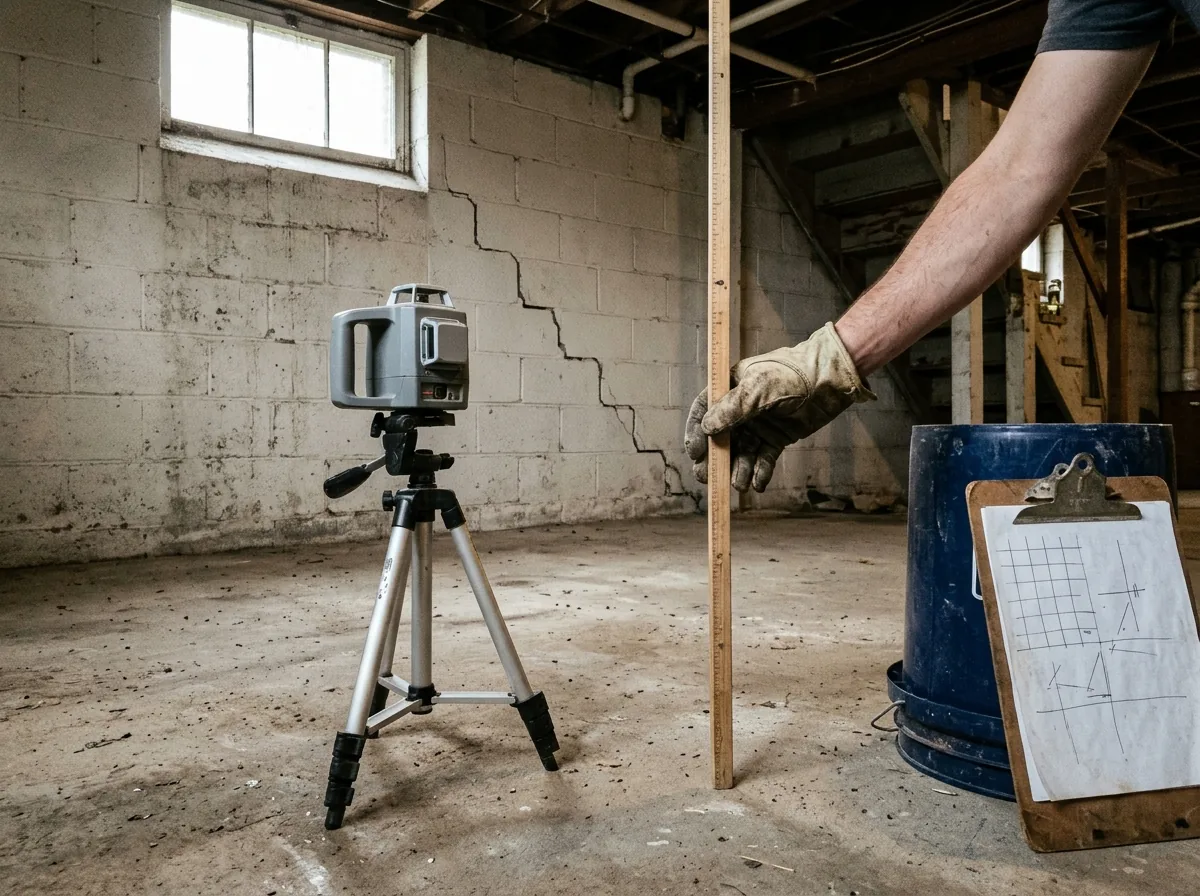
through the mortar of a block wall, which often point to settlement; see foundation piers.Cracks wider than 1/8 inch
, which HomeAdvisor and HomeGuide say warrant a professional or engineer's look.Cracks with water coming through
, or several new cracks at once.Cracks with sticking doors or windows
that won't close.
Carbon fiber strips over a crack, at $900 to $2,000 or more per crack, stop it growing but don't repair it; the carbon fiber straps page covers when that's the right call. An inspection costs about $400 to $750, and HomeGuide notes many contractors waive it if you hire them.
See foundation inspection when you want an independent read on a crack before anyone quotes a fix.