
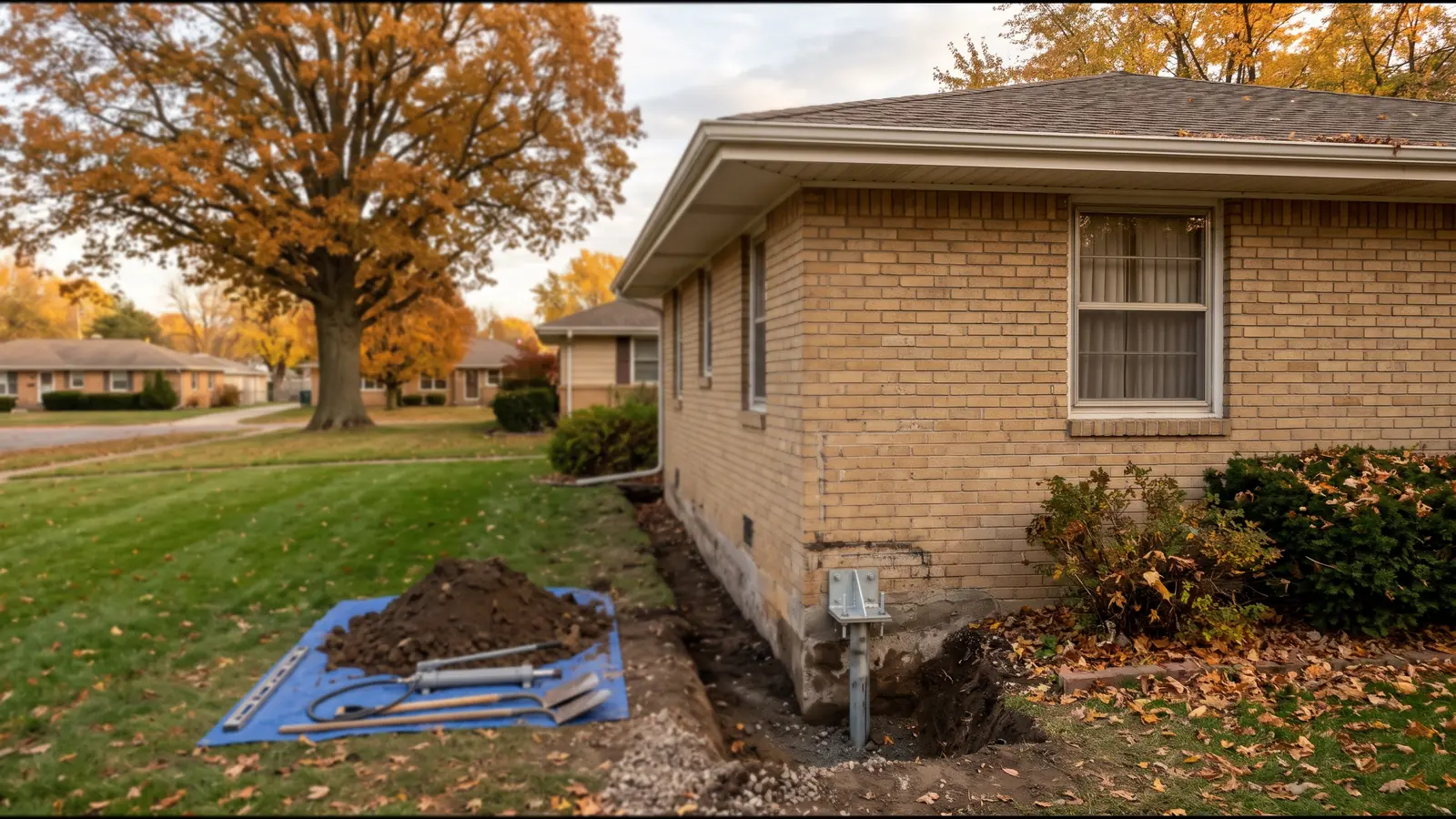
Radon Mitigation Systems by Foundation Type
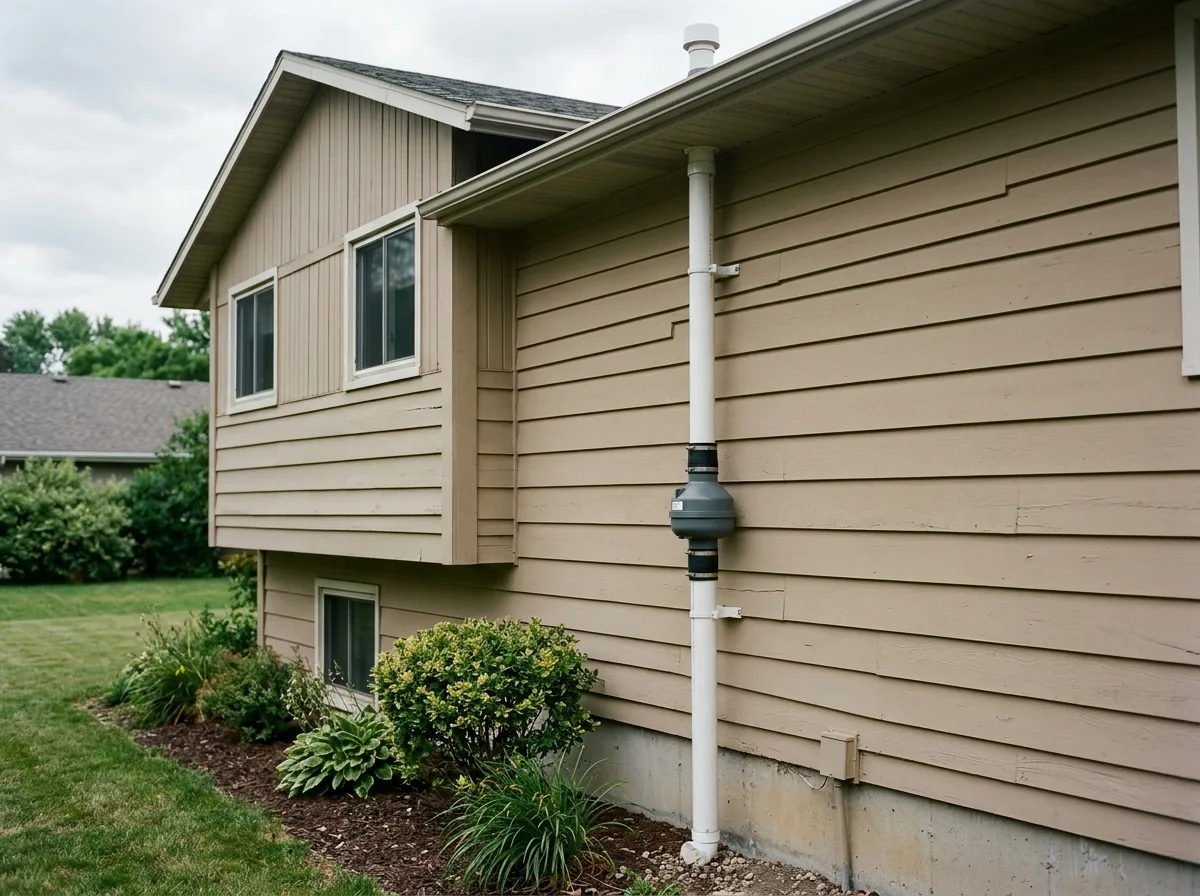
Sub-slab depressurization
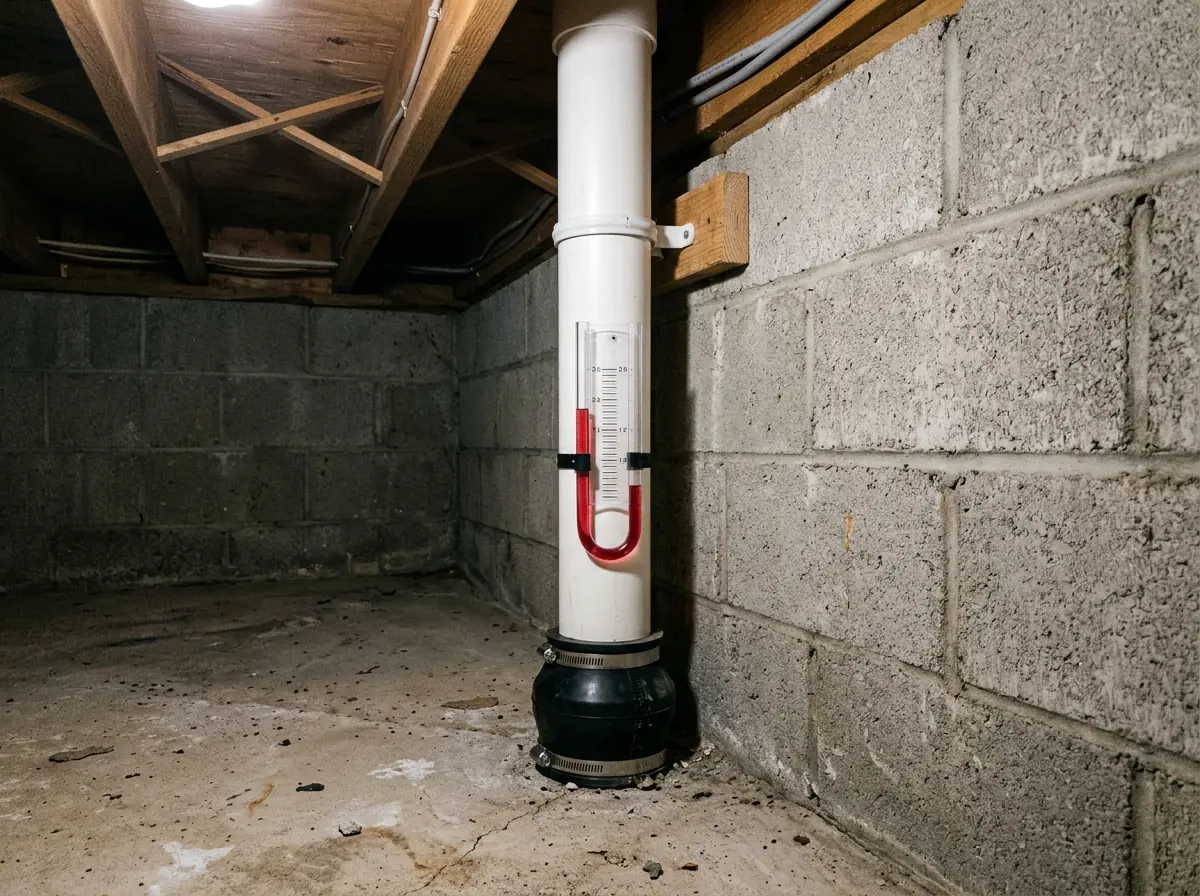
This is the most common system for basements and slab houses. A pipe goes through the floor, a fan pulls soil gas from under the slab, and the pipe vents it above the roofline. The Kansas Radon Program says these systems usually work within 24 hours and hold levels down as long as the fan runs.
- Typical system: $1,200 to $2,000 installed, and $2,500 or more for larger homes.
- Drain-tile suction: $900 to $1,800 where a perimeter drain is already in place, using the drain as the suction point.
- Block-wall depressurization: $1,800 to $3,000, drawing gas out through a block foundation wall.
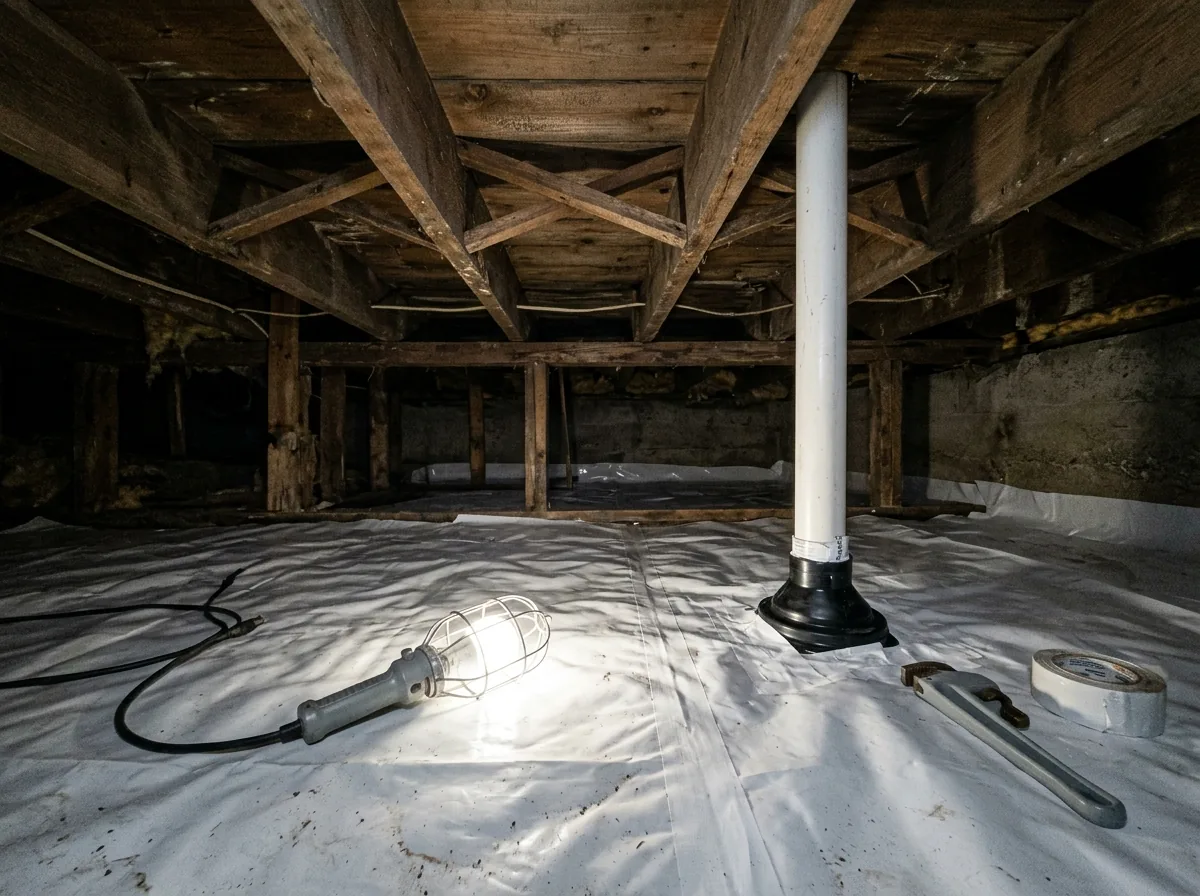
Sub-membrane systems in crawl spaces
Crawl space houses get the same idea under plastic instead of concrete. A sealed sheet covers the dirt, and the pipe and fan pull from underneath it. When a house has a basement under one part and a crawl space or slab under the rest, the Kansas Radon Program says a combination of methods may be needed. The membrane overlaps with encapsulation; crawl space encapsulation covers the liner and its cost.
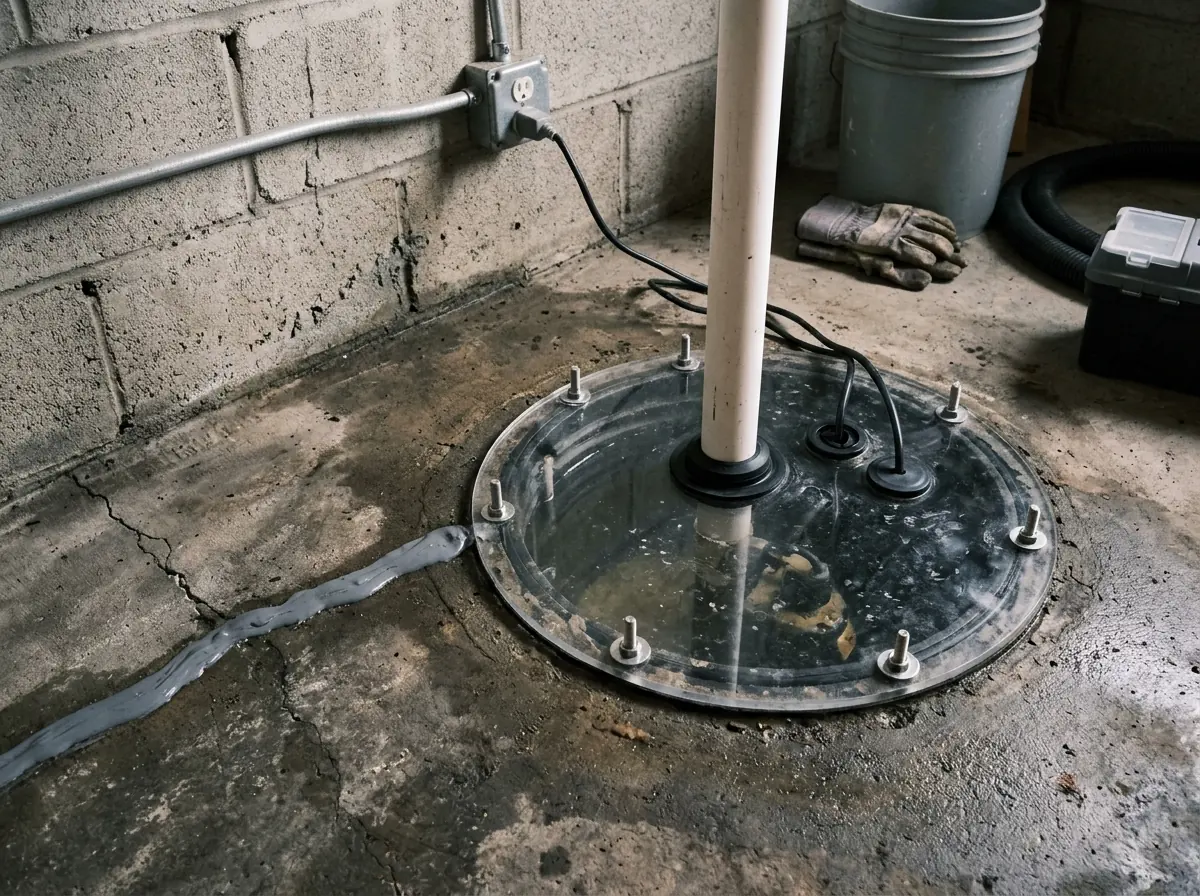
Sealing sumps, cracks and floor drains
Radon can get in through the gravel around a sump pit and through cracks and gaps in the floor and walls. Sealing the sump and fitting an airtight lid runs $900 to $2,500, and sealing cracks makes the fan system more effective. Sealing alone isn't a fix, though. The EPA doesn't recommend it by itself, because it hasn't been shown to lower radon reliably.
Fan replacement and retesting
The pipe in a radon system lasts 20 to 50 years or more. The fan is the part that wears out, usually needing repair or replacement after 5 to 10 years. Most systems have a monitor that signals when service is needed. A fan swap is a sensible time to run a fresh test.
Why Topeka homeowners and property owners call Topeka Expert Foundation Repair
- The call and the inspection request cost you nothing
- Your details go to one Topeka contractor, never a lead list
- Ask for piers, anchors and price on paper before any digging
- Method explained first: piers, anchors, straps or mudjacking
Radon Testing in Topeka Before and After Mitigation
Test before you price a system and after it's running.
Do-it-yourself kit
most Kansas extension offices sell kits for about $10, and the test takes about four days.Where to test
in the lowest lived-in level of the house, not a kitchen, bathroom, laundry room or hallway.Professional test
$125 to $400, including the device, placement, pickup and lab fee.After mitigation
between 24 hours and 30 days after the system starts. Kansas requires this test to be done by a certified measurement technician, and the Kansas Radon Program suggests an independent one.
KDHE reports elevated radon in every Kansas county. Its 2014 statewide map counted 31,539 measurements at or above 4 pCi/L, and it warns that the map can't predict any one house. The homepage has the state's estimate for homes, but your own number only comes from a test.
Kansas Radon Certification and Topeka's Building Code
Kansas certifies radon work through KDHE. Nobody may perform radon mitigation or advertise it without certification, and testing needs a separate certification. Ask for the contractor's certification, a written diagram of the pipe route and fan location, and whether the warranty transfers to a buyer.
Topeka's building code adopts the IRC's Appendix AF, Radon Control Methods, with its testing section left out. If you're building an addition or finishing a basement, ask the contractor how that appendix applies to the permit.
See French drain installation when an interior drain is going in anyway and could double as the suction point.