
House Leveling by Foundation Type
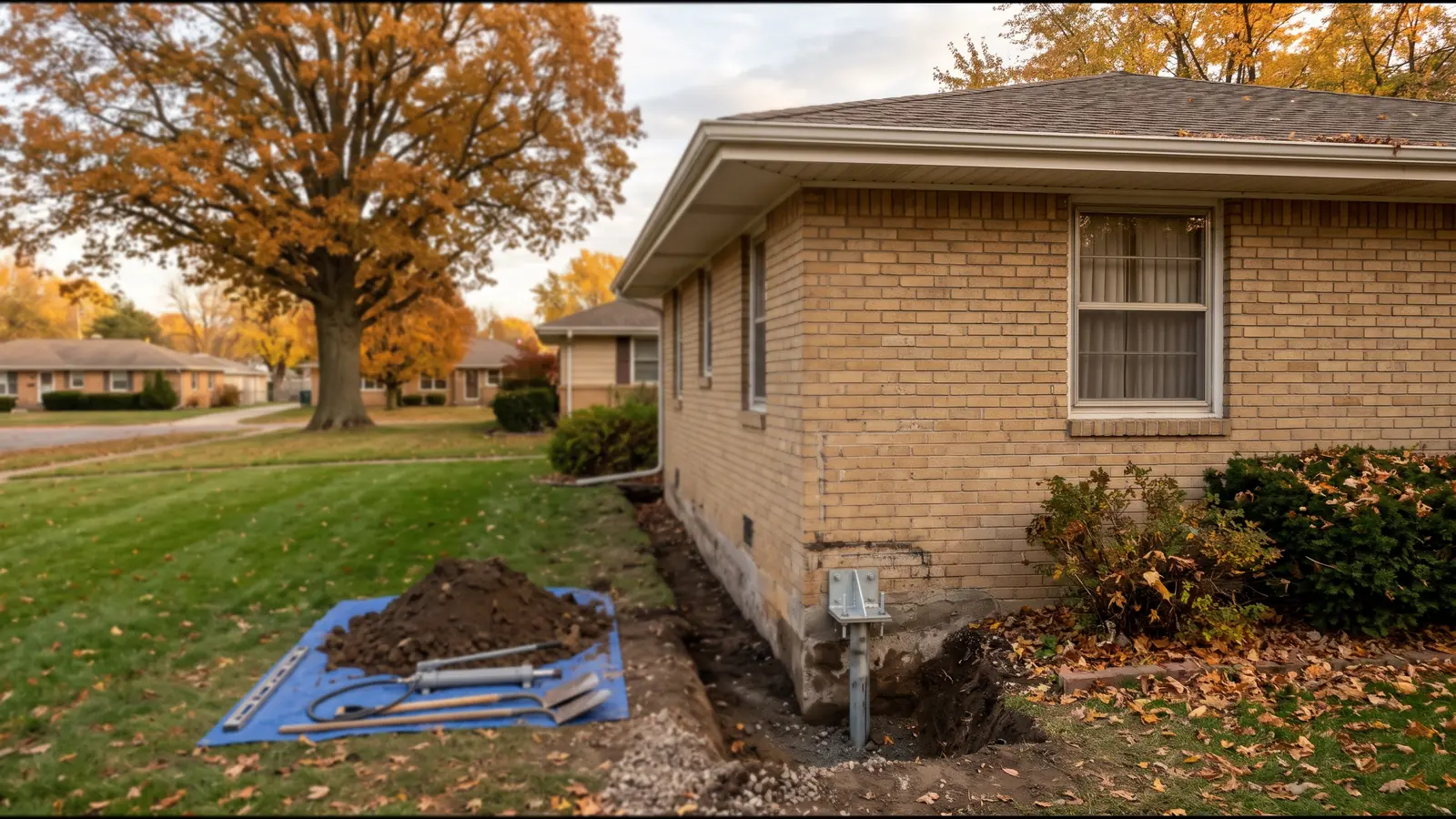
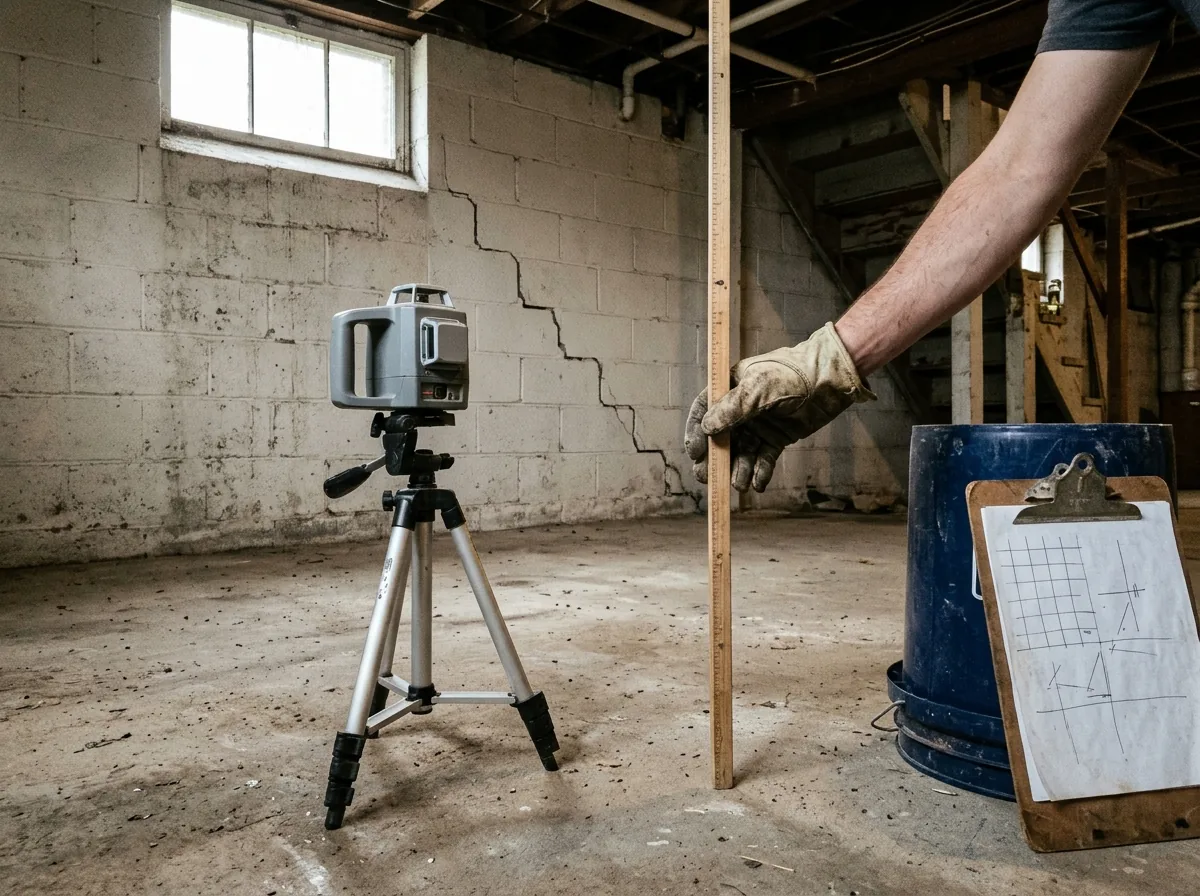
The house type decides the method. Supports go under the low side first. The lift comes after, with elevation readings taken across the floor as it rises.
Basement Houses With a Settled Corner
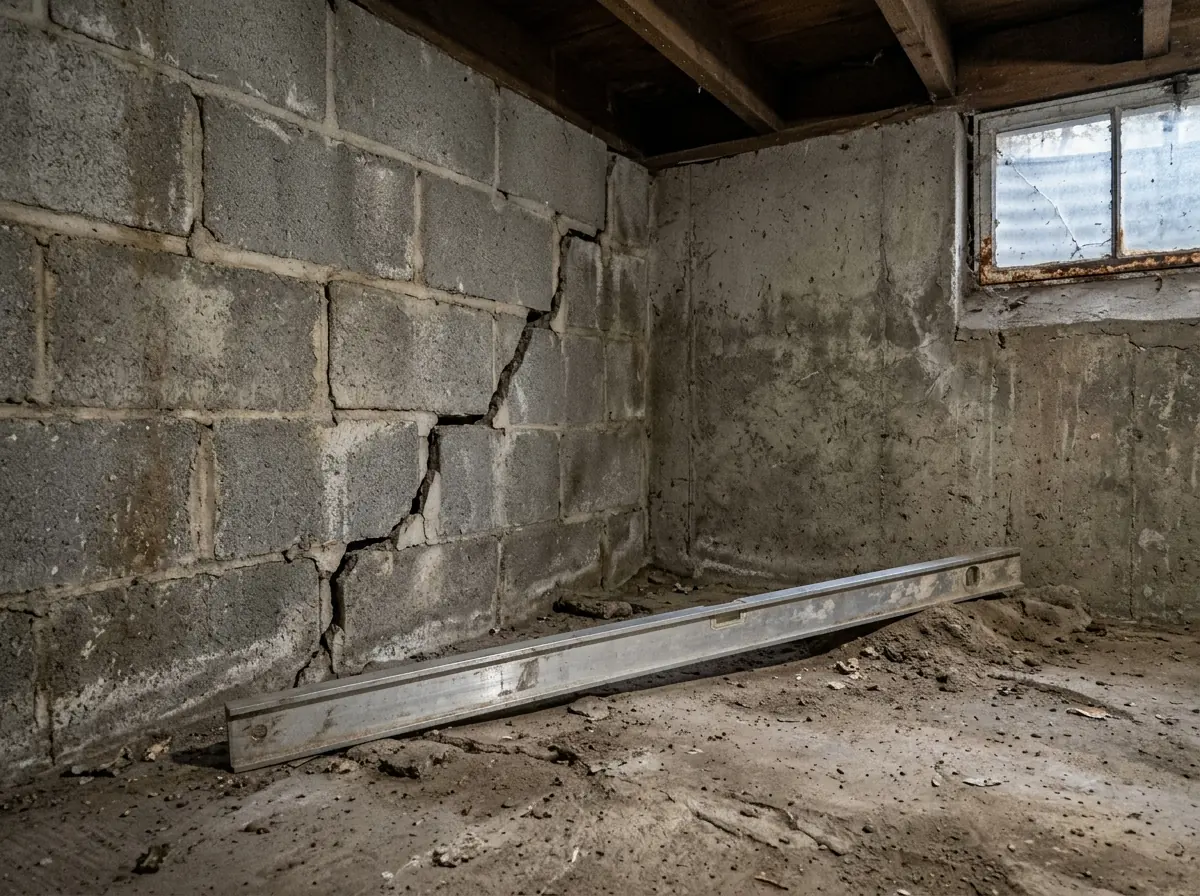
In a basement house the footing sits below the basement floor, so leveling means piers under that footing, then a slow hydraulic lift on the piers. One push pier maker says its system can often lift a house back toward level once the piers bear on firm ground. The pier work itself, with per-pier costs and counts, is on the foundation piers page. Upstairs you'll see the result in doors and drywall more than in the basement.
Slab-on-Grade Ranch Houses
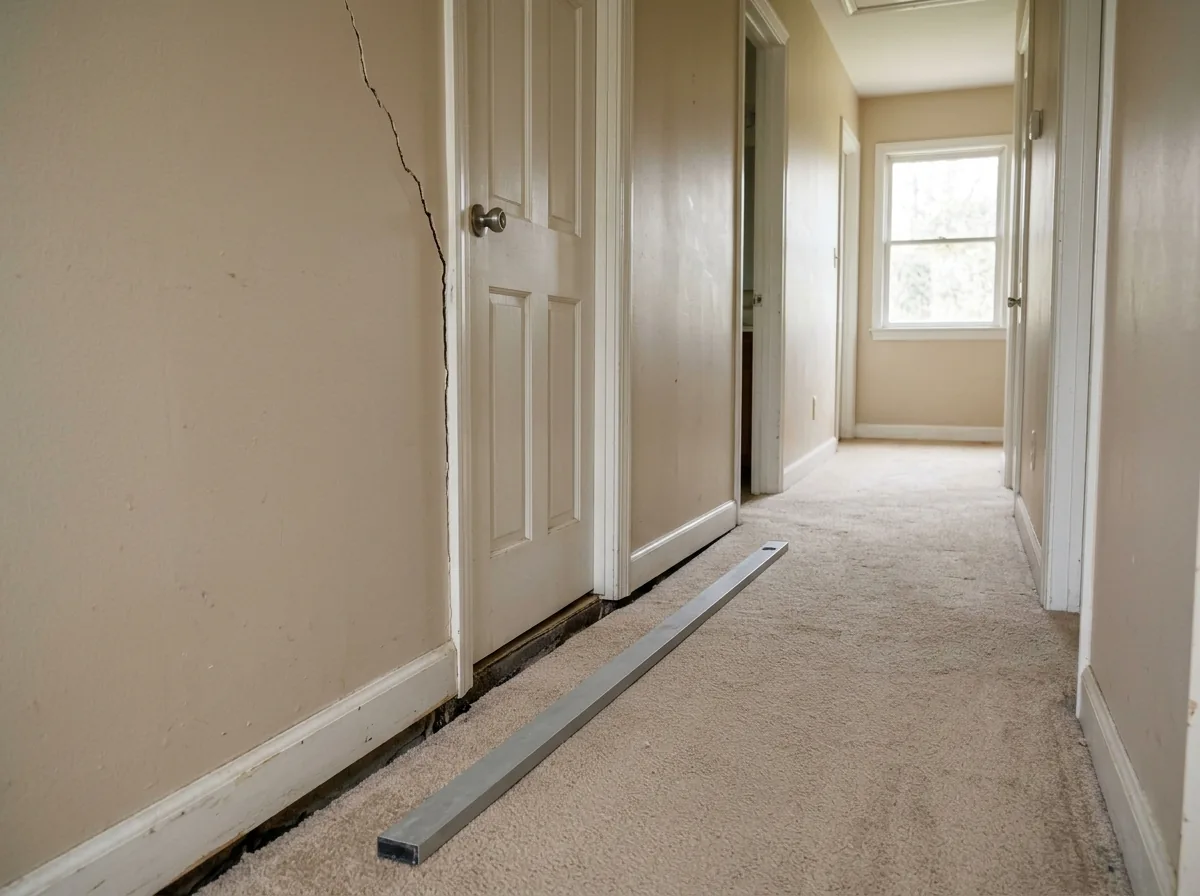
A slab ranch has no basement to work from, so the slab is lifted from its edges, from piers through the floor, or with grout or foam pumped under it. Drain lines run under the slab, so slab foundation repair covers the plumbing test to ask for before a lift, along with slab piers. Ask what caused the drop before anyone quotes the lift.
Crawl-Space and Pier-and-Beam Houses
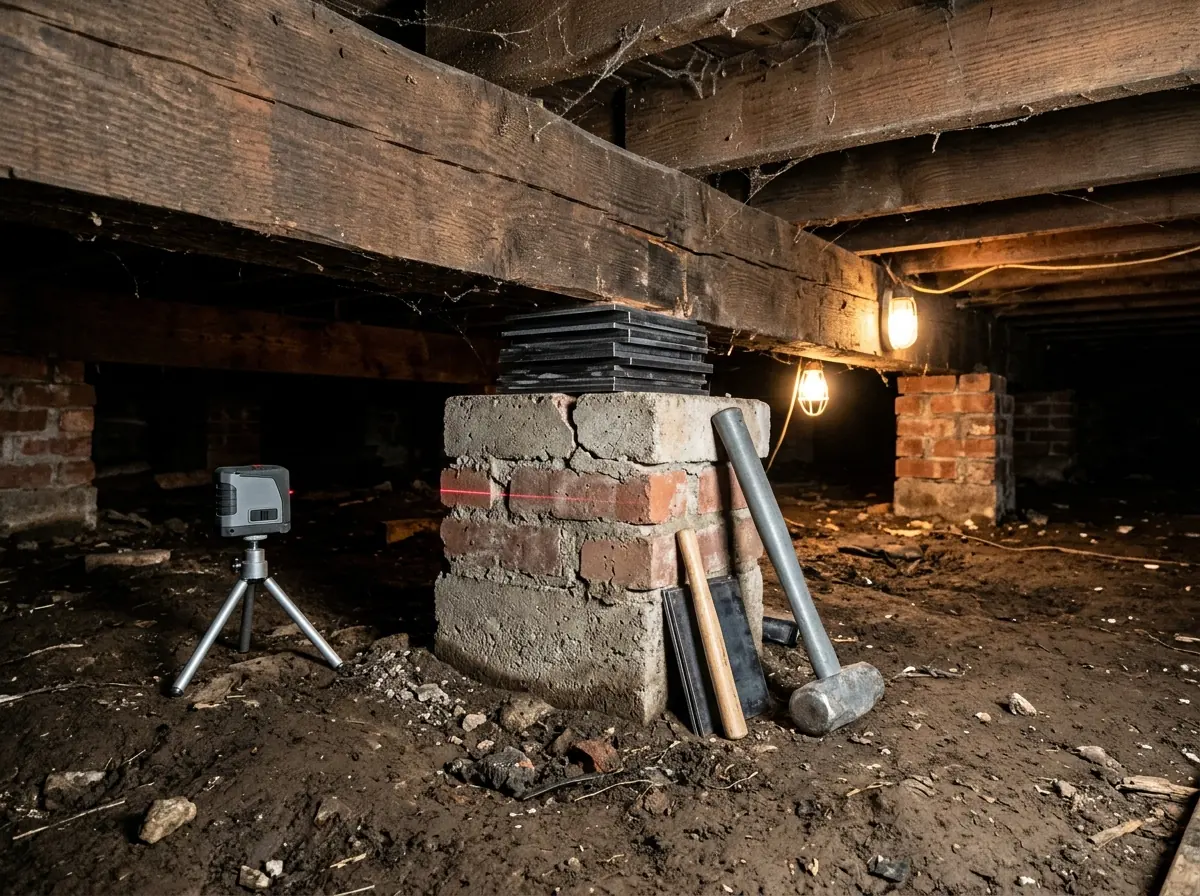
These are usually the least expensive houses to work on, because a crew can reach the beams from below. Often the fix is shimming beams back up on the existing piers. When a pier or beam has failed, it gets replaced. Angi's 2026 numbers:
- Reshimming: about $1,600 on average, most jobs $1,200 to $2,000.
- Replacing one pier: $2,000 to $6,000.
- Replacing a beam: $400 to $1,200 per beam.
Sagging joists and steel support jacks are covered on crawl space repair.
Additions and Porches That Pulled Away
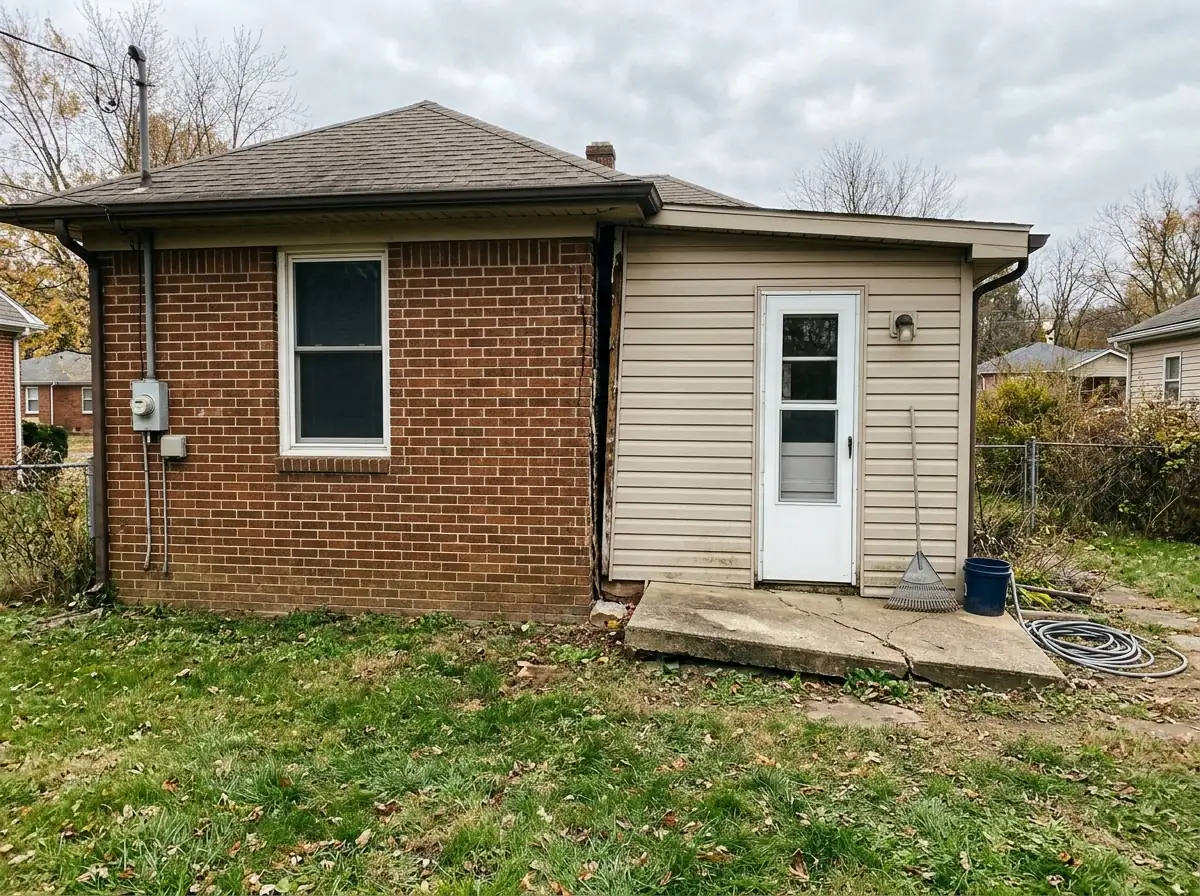
An addition or porch sits on its own footing, poured at a different time from the house's. When that footing settles, a gap opens at the seam, the roofline breaks and the back door starts to stick. Leveling the main house doesn't touch it. Lighter loads like these are where helical piers often fit; see helical piers. A porch slab that only sank, with no roof on it, may just need mudjacking.
Why Topeka homeowners and property owners call Topeka Expert Foundation Repair
- The call and the inspection request cost you nothing
- Your details go to one Topeka contractor, never a lead list
- Ask for piers, anchors and price on paper before any digging
- Method explained first: piers, anchors, straps or mudjacking
What House Leveling Can and Can't Put Back
Leveling raises the low side. It doesn't undo everything that happened on the way down. The Texas Section of the American Society of Civil Engineers says that perfection isn't attainable by foundation repair, and that a repair plan should state its limits.
Floors
Usually the biggest change. Ask for elevation readings before and after so you can see the difference in numbers, not only by feel.Doors and windows
Many swing better after a lift. Some were planed or reset while the house was out of level and will need adjusting again.Drywall and plaster cracks
They often narrow but rarely vanish. Plan on patching and paint. HomeGuide notes that in rare cases a lift opens new cracks in drywall or tile.Brick cracks
Mortar cracks may close partway; expect some repointing.
Ask the contractor to list, in writing, what they expect to change and what they won't promise. Foundation inspection explains how elevation readings are taken.
House Leveling Costs: What You're Paying For
HomeGuide's $5 to $10 per square foot shows that house size matters, but foundation type matters more. Shimming a crawl space house is a different job from piering a basement. A full foundation lift with leveling costs $20,000 to $23,000 in national guides, and the per-pier pricing behind most of that is on foundation piers.
Supports
How many piers, jacks or new pads the plan needs.Access
Crawl space height, basement finish, and room outside to dig.Interior repair
Ask whether drywall, trim and door work after the lift is in the quote or left to you.Drainage
If water caused the settling, fix it in the same season; the homepage covers why Topeka clay moves.
See crawl space repair for sagging floors over a crawl space that need new posts as well as a lift.