
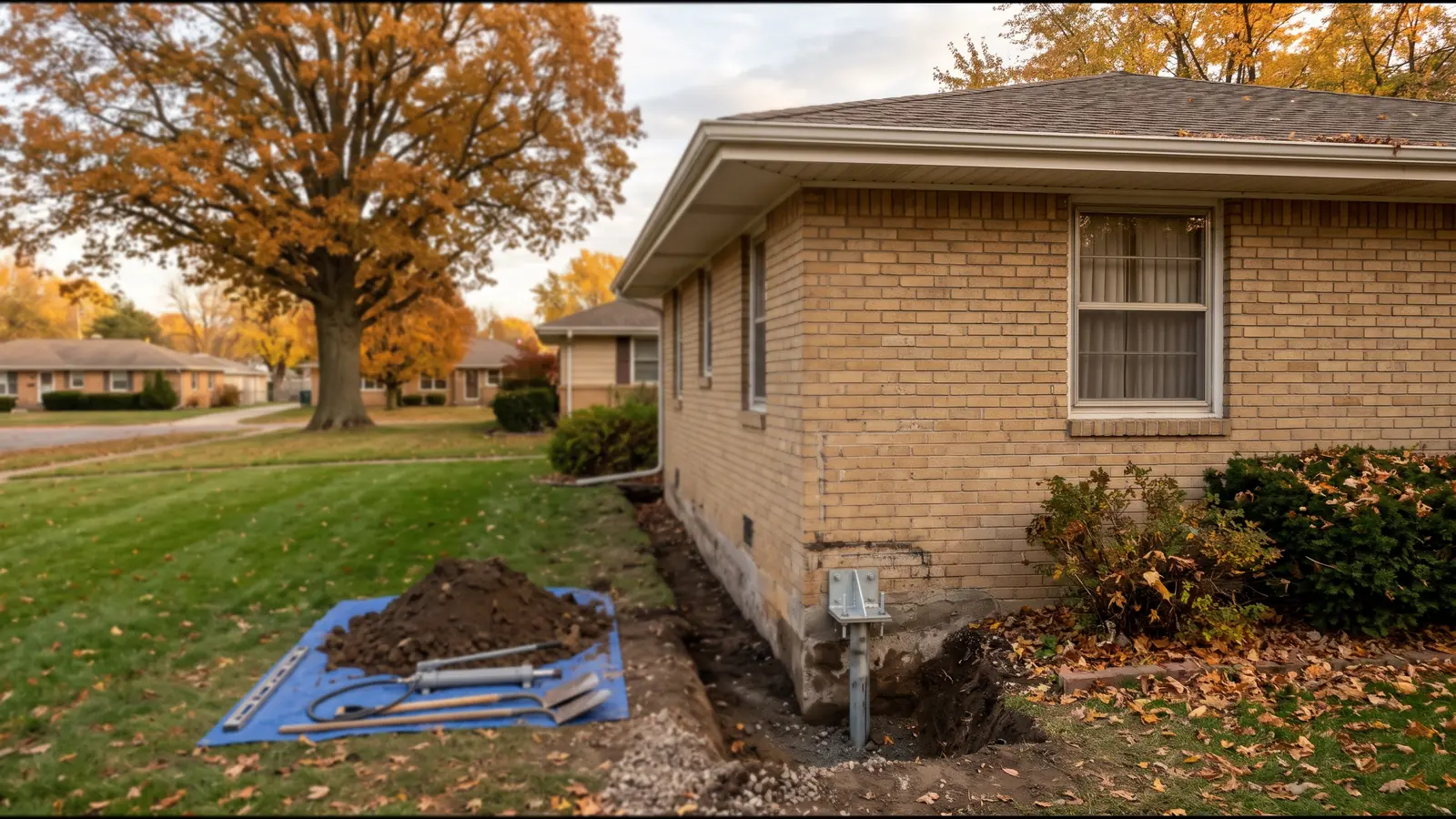
Slab Foundation Repair Types: Edge, Interior, Cracks and Pipes
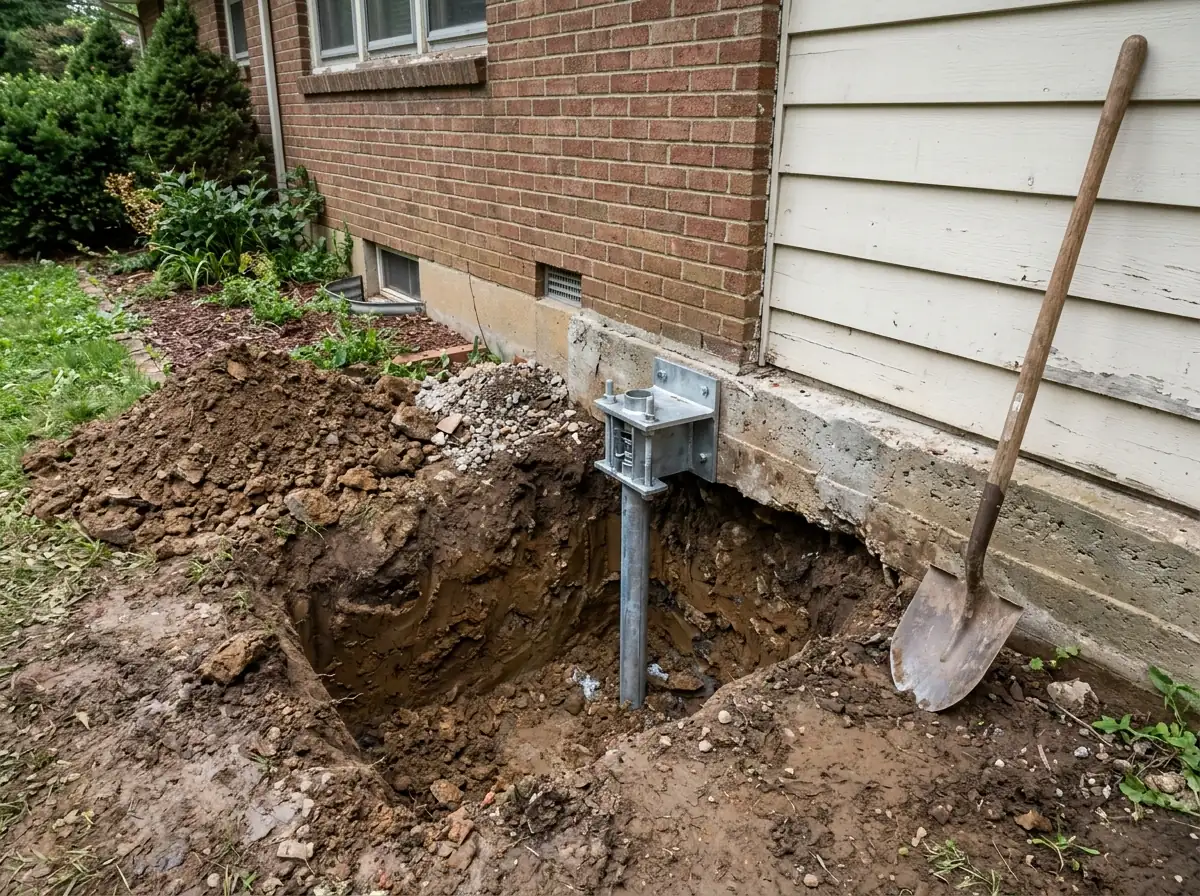
Perimeter Piers Under a Slab's Grade Beam
On many slab houses the edge is a turned-down footing cast in one piece with the floor, and it carries the exterior walls. In Topeka's code that footing gets #4 bars top and bottom and vertical bars every 24 inches, and like any exterior footing it has to reach the city's frost depth (the homepage explains why). When a corner drops, piers go in along the outside of that edge, the same way they do under a basement footing.
- Per pier: $2,000 to $4,000 in the slab guide's figures.
- Push or helical: the comparison and per-pier figures for each are on the foundation piers and helical piers pages.
- Detached garages: the city lets garages and sheds up to 24 by 24 feet sit on floating footings, so a sinking detached garage may have a shallow edge to work with.
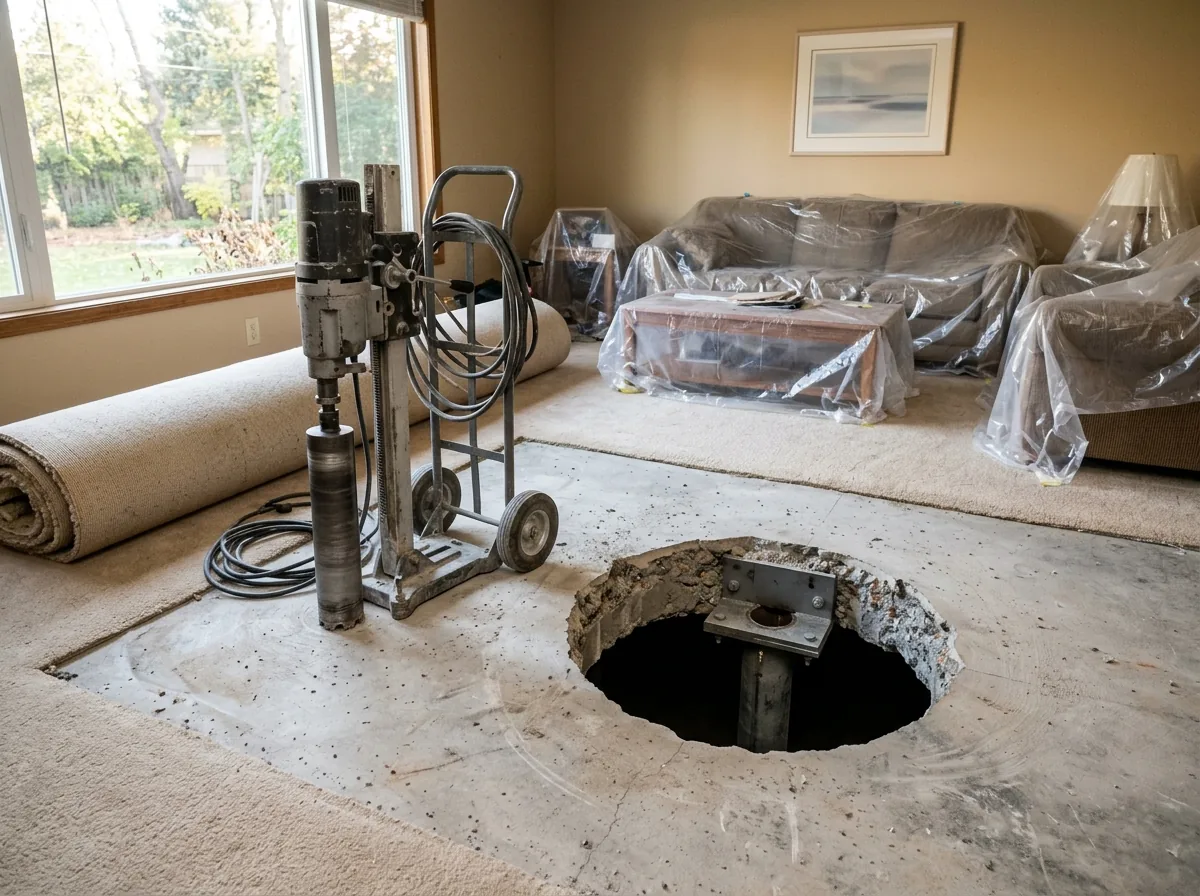
Interior Slab Piers
When the middle of the floor has dropped and the walls haven't, the support has to come from inside. One maker's system cores 8-inch holes through the slab, sets steel brackets under it, and drives hollow steel tubes down hydraulically to load-bearing soil. Hydraulic cylinders then hold the slab or lift it back, and voids underneath get filled with grout or foam. Flooring has to come up at each hole, so ask who puts it back.
If the slab only needs lifting and the soil under it is stable, slab jacking costs less; see mudjacking and concrete leveling.
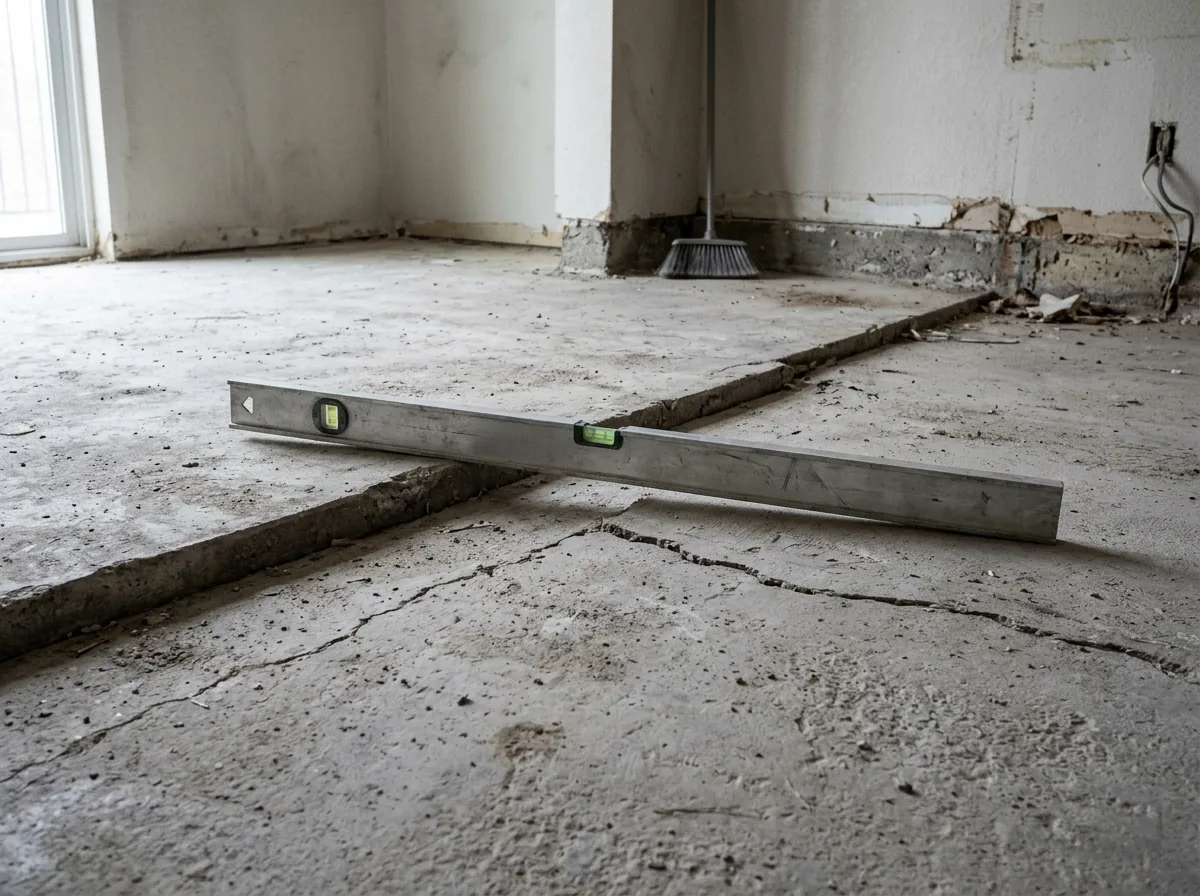
Interior Slab Cracks and Heaving
HomeGuide sorts slab cracks into three groups, with a price for each:
- Minor (hairline): $250 to $800 per crack.
- Moderate (wider, not moving): $400 to $1,500 per crack.
- Major or structural: $2,000 to $12,000 or more.
- Crack stitching: $500 to $2,000 per crack, for a crack that has stopped moving.
- Partial slab replacement: $5,000 to $15,000 or more.
Expansive clay is a common cause of slab movement, and clay that heaves when wet and shrinks when dry can push a floor up as well as let it drop. That changes the fix. Piers won't help a floor that has been pushed up, so ask what is wetting or drying the soil under it. The foundation crack repair page covers how cracks are sealed.
Plumbing Leak Tests Under a Slab
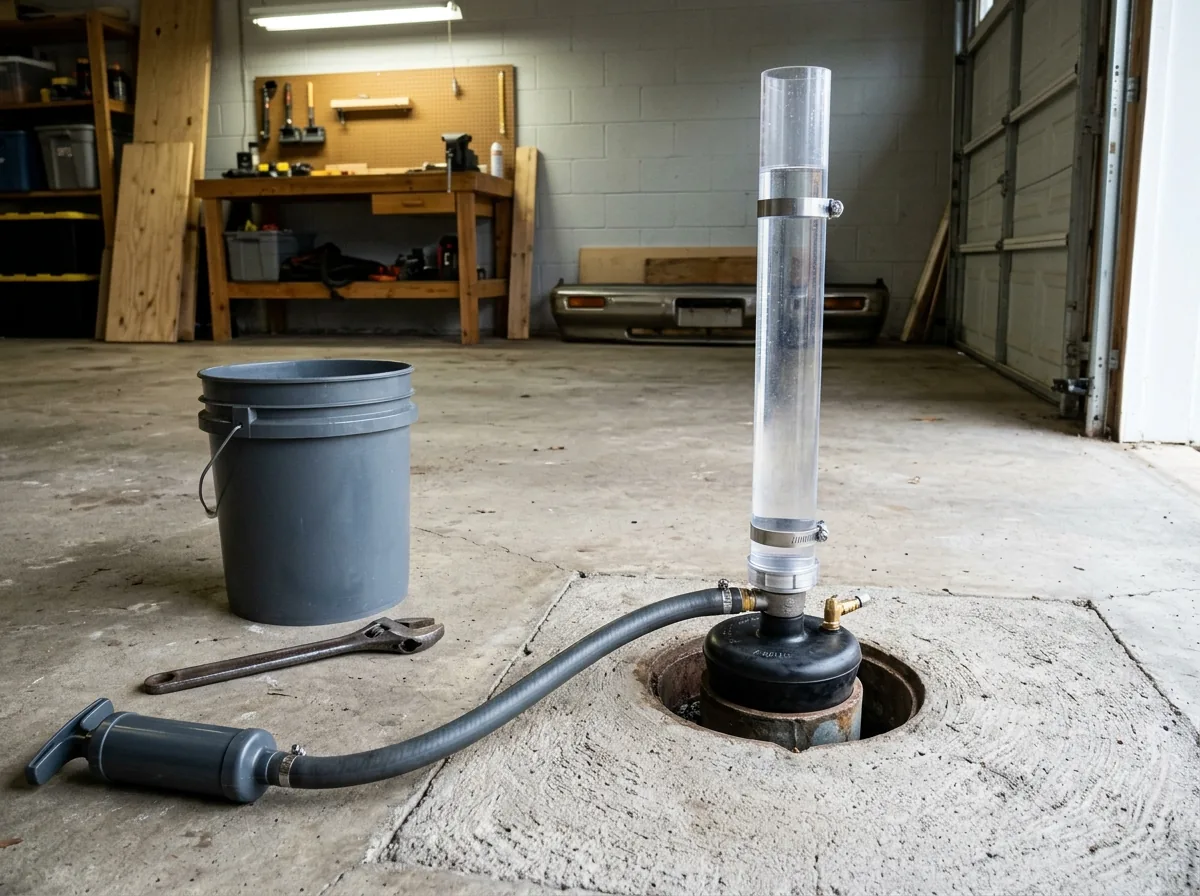
Pipes run through the soil under a slab house, and a leak there washes out the soil that holds the floor up. HomeGuide lists the signs: a water bill that jumps, running water you can hear with every fixture off, and a warm patch of floor over a hot water line. A drain-line water test is how a plumber checks: the line is plugged at a cleanout, filled with water, and watched for 15 to 30 minutes. If the level drops, there's a leak somewhere, though the test won't say where.
Piering can crack old drain lines too, so ask for a test before the work and another after.
- Pipe lining: $500 to $3,500.
- Digging into the slab to replace pipe: $700 to $5,000.
- Rerouting the plumbing: $3,900 to $7,500.
Why Topeka homeowners and property owners call Topeka Expert Foundation Repair
- The call and the inspection request cost you nothing
- Your details go to one Topeka contractor, never a lead list
- Ask for piers, anchors and price on paper before any digging
- Method explained first: piers, anchors, straps or mudjacking
Slab Foundation Repair: Questions Before You Sign
What caused the movement?
A leak, a downspout soaking one corner, or clay drying out under the edge each call for a different fix.Which piers, how many, and where?
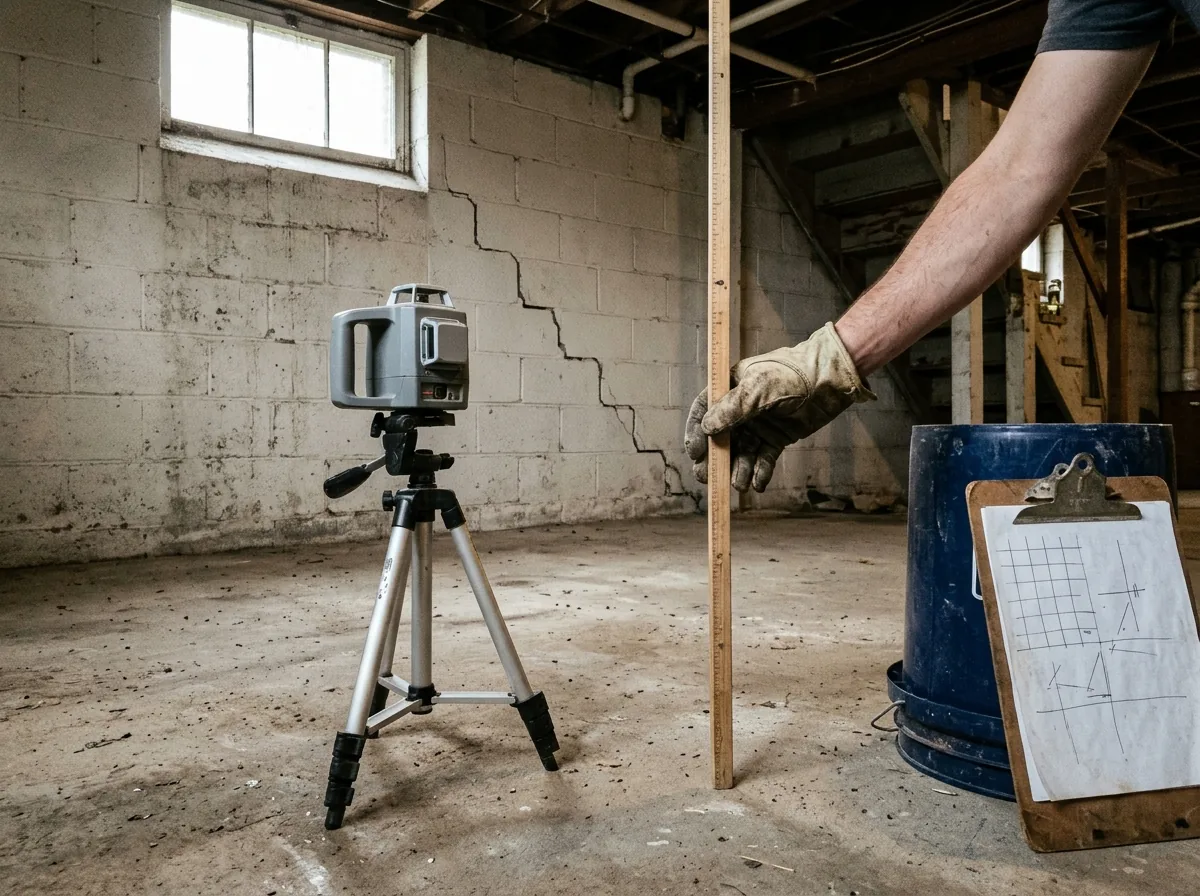
Ask for the layout on a floor plan, with interior holes marked.Before and after floor readings
A good contractor will take elevations before and after. What a lift can and can't close is covered on the house leveling page linked below.Radon
Cutting into a slab is a good time to think about radon; the radon mitigation page covers testing after slab work.Permit and warranty
Piering needs a city permit (rules on the homepage); ask whether the warranty transfers to a buyer.
See house leveling when the whole slab house needs to come back to level, not just one corner.