
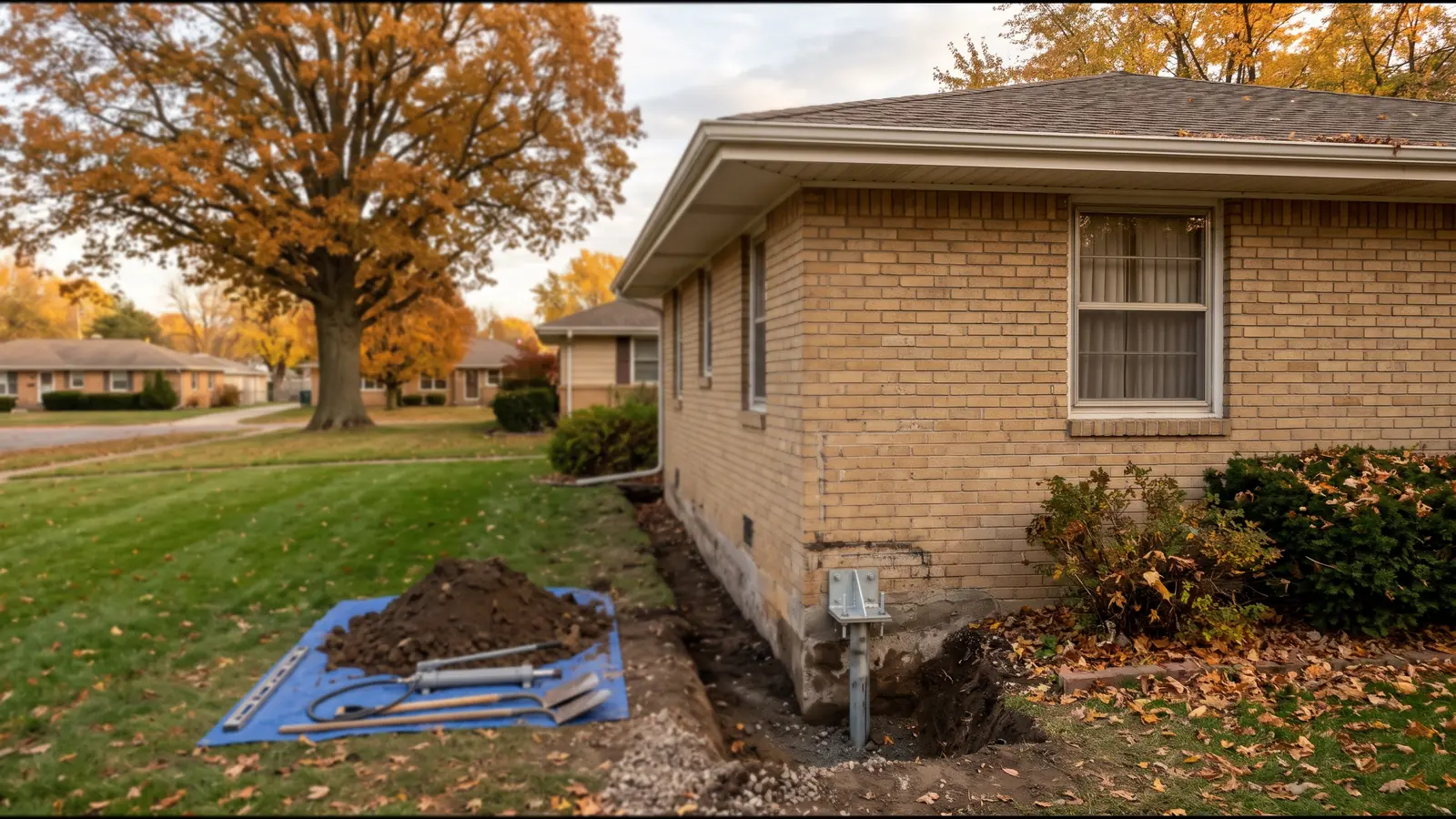
Rental Property Foundation Repair by Property Type
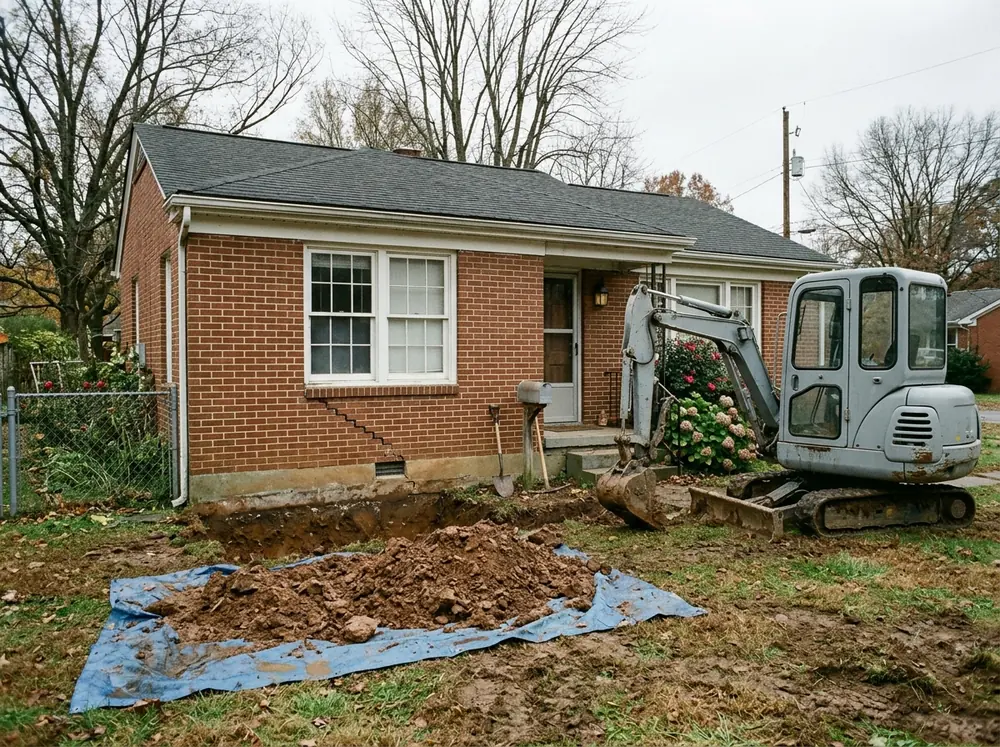
Tenant-Occupied Single-Family Rentals
Under the Kansas landlord-tenant act, a landlord may enter a unit at reasonable hours after reasonable notice to make repairs or to show it to contractors. That covers the estimate visit as well as the work days, so give notice for each. The act lets a landlord enter without consent for an extreme hazard to life or severe property damage, and bars using access to harass a tenant. Most pier work happens outside, but an inside inspection with elevation readings means someone in every room. For a rental built before 1978, Topeka won't issue the permit until the contractor certifies the tenant got the EPA lead pamphlet; the homepage has the city's permit rules.
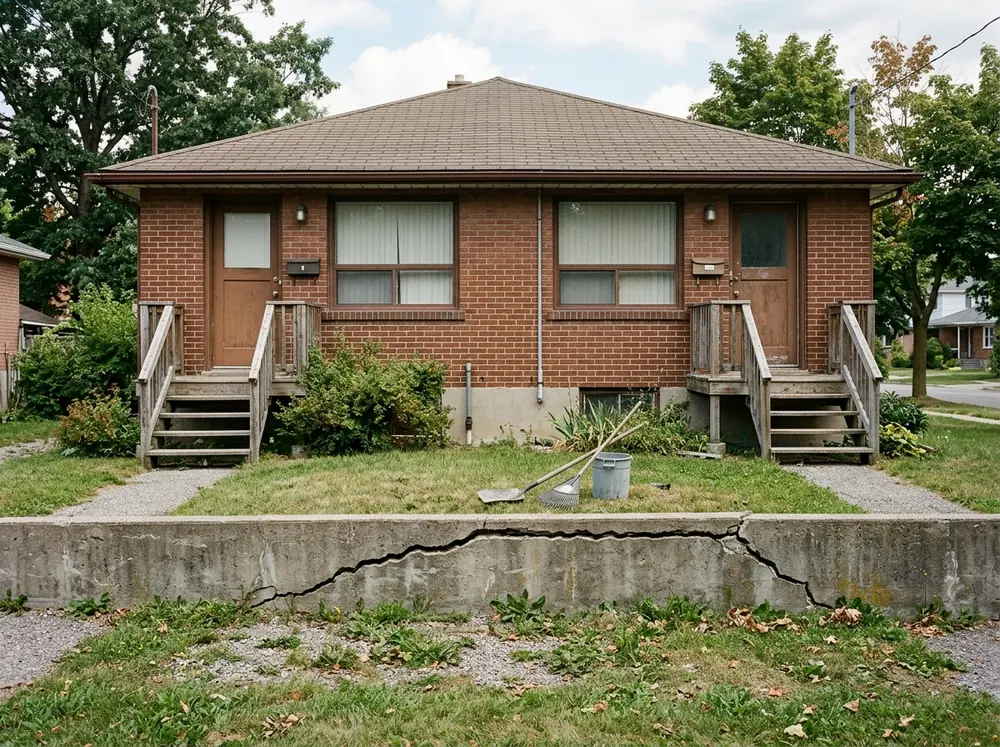
Duplexes and Fourplexes
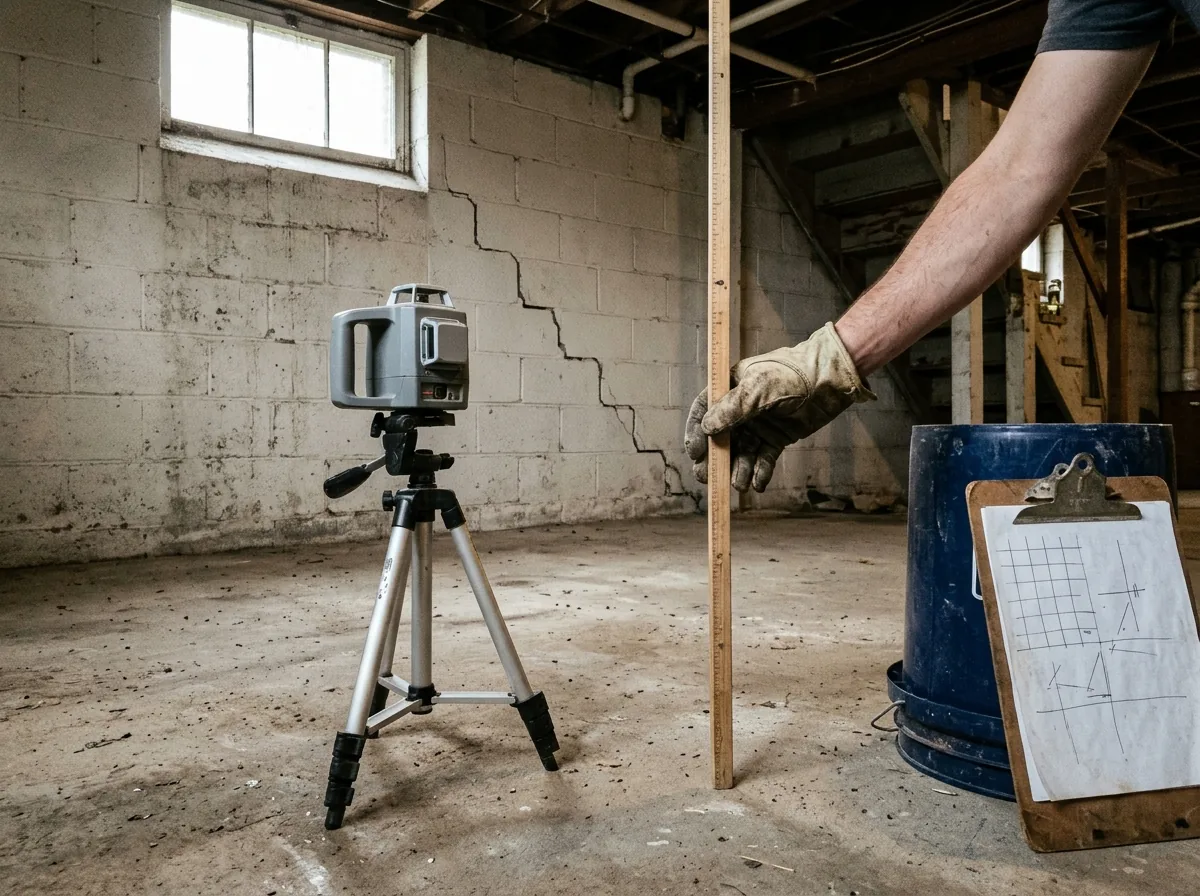
Units that share one foundation move as one foundation, so the inspection has to cover every unit, not just the one where the tenant called. One foundation engineering guideline recommends running a multi-unit elevation survey continuously across the dividing walls, not unit by unit, so the readings describe the whole foundation. Kansas law also limits shifting work onto tenants here: outside a single-family house, a lease side agreement can't make a tenant responsible for curing a code problem that affects health and safety.
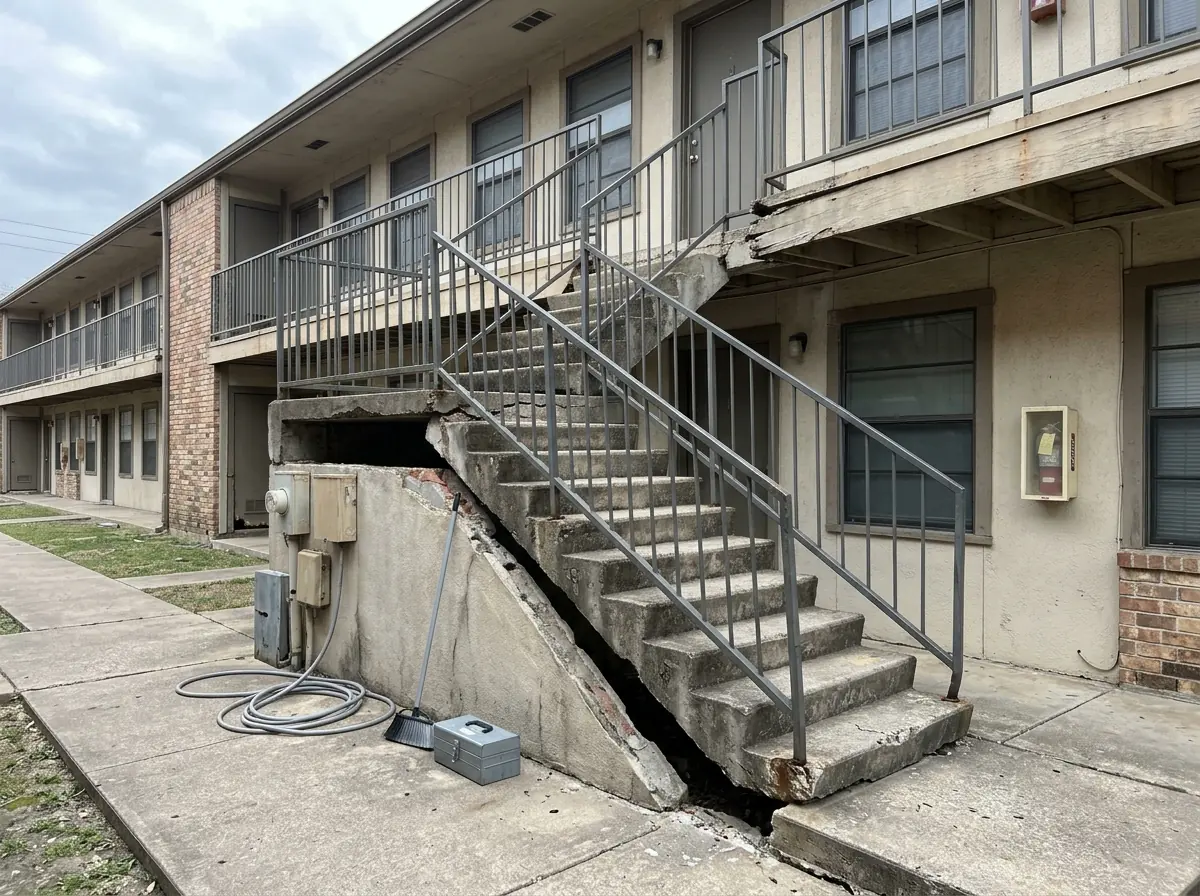
Apartment Breezeways, Stairs and Landings
Common areas are the landlord's to maintain with reasonable care, and a sunken landing or breezeway slab is a trip edge every tenant walks over. A slab that dropped but is still whole can usually be lifted; concrete leveling covers the foam method and its prices. A landing pulling away from the building because the building itself is settling needs foundation piers. Ask for the work to be phased one stairwell at a time so every unit keeps a way in and out.
Why Topeka homeowners and property owners call Topeka Expert Foundation Repair
- The call and the inspection request cost you nothing
- Your details go to one Topeka contractor, never a lead list
- Ask for piers, anchors and price on paper before any digging
- Method explained first: piers, anchors, straps or mudjacking
Rental Repair Duties Under Kansas Law
The Residential Landlord and Tenant Act puts the duty on the landlord to comply with building and housing codes that materially affect health and safety. When a tenant delivers written notice of a breach like that, the clock starts: 14 days to begin a good-faith repair, or the tenant may end the lease on a rent date at least 30 days after the notice. Tenants can also sue for damages. A foundation contractor who can't get out for three weeks can put a landlord on the wrong side of that window, so the first call is worth making the day the notice arrives. Read the statutes or ask a lawyer for anything beyond that; this is a summary, not legal advice.
Rental Foundation Repair Records Worth Keeping
Tenant notices
Dates and copies of every entry notice and the tenant's repair request.Written scope and permit
Method, quantities, price, the permit number and the city's final inspection.Readings before and after
Floor elevations at the same points, so the next owner or adjuster can compare; foundation inspection explains how they're taken.Photos before backfill
Piers and brackets disappear once the pit is filled.Warranty terms
Ask whether the warranty transfers to a buyer, which matters if the property is sold; industry norms are on the homepage.
See commercial foundation repair for mixed-use buildings and storefronts with apartments above.